Featured
What Does Exploring Debt Relief Options for Overwhelmed F...
Facts About "Online vs Phone Bankruptcy Counseling: Pros ...
Not known Facts About What You Should Prepare For Through...
The smart Trick of How Top Providers Differ from Alternat...
The Main Principles Of How to Contact a Counselor Right Away
Table of Contents
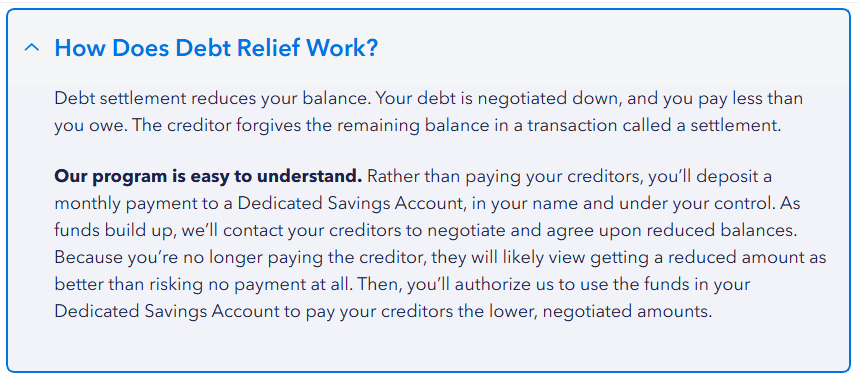
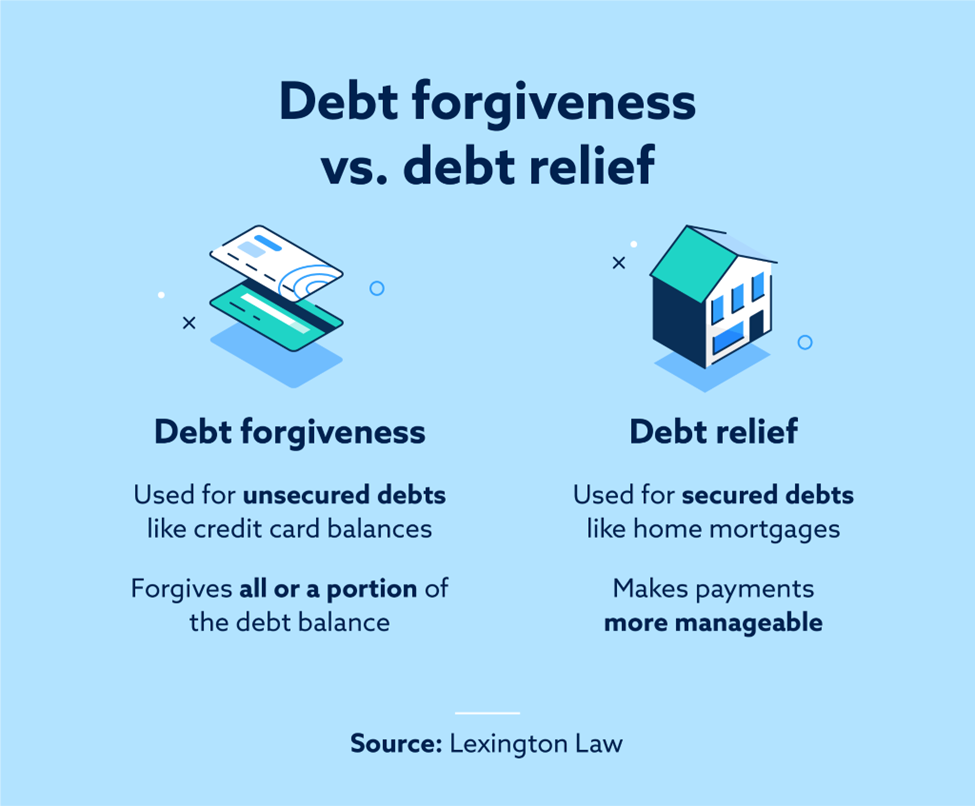
That frees up money in the brief term, and you might have three to four years to conserve toward the settlement amount. Really dangerous to debt scores, primarily due to missed payments and an unfavorable "settled" mark that can remain on your credit record for approximately seven yearsMay be just option if other alternatives (financial debt combination, equilibrium transfer credit cards, financial debt forgiveness) aren't possibleTypically requires a charge to the 3rd party, which could offset some or every one of the savings from financial debt settlementMay assist you avoid insolvency if you have actually missed out on several paymentsNot all lenders collaborate with financial debt negotiation business Financial debt forgiveness may be ideal for you if you are experiencing an economic hardship that makes it nearly difficult to pay down your debt equilibriums.
With a DMP, you make one regular monthly settlement to the credit report therapy company. Those funds are after that dispersed to creditors of your unsecured debts, such as credit report cards and installment lendings. The agency functions with your creditors to lower interest rates or forgo charges, yet some creditors may decline such concessions.
A financial debt loan consolidation loan combines your qualified financial debts right into one brand-new funding. It can assist you pay for financial debt if you're able to secure a car loan price that's less than the ordinary price of the accounts you're consolidating. Nevertheless, you must avoid racking up financial debt on those recently cleared accounts or your debt might grow even greater.
That gives you lots of time to remove or substantially reduce your equilibrium while making interest-free settlements.
How Starting Meeting with Professionals can Save You Time, Stress, and Money.
You might need it if your lender or a debt collection agency ever attempts to accumulate on the debt in the future. The letter might verify you don't owe what the debt collection agency's records show. Yes, most of the times, the IRS considers forgiven debt as taxable income. When a loan provider forgives $600 or even more, they are needed to send you Form 1099-C.
Financial debt forgiveness or negotiation usually injures your credit. Anytime you settle a financial debt for much less than you owe, it might show up as "resolved" on your credit scores report and influence your credit rating for 7 years from the day of settlement. Your credit can additionally go down substantially in the months causing the forgiveness if you drop behind on payments.
Everything to Know In the Debt Forgiveness Journey Fundamentals Explained
This scenario usually results from underreporting revenue, not filing returns on time, or disparities found throughout an IRS audit. The repercussions of collecting tax obligation financial debt are significant and can consist of tax obligation liens, which offer the Internal revenue service a legal insurance claim to your building as safety and security for the debt.
Higher rate of interest on available credit history. Incomes and Bank Accounts IRS can impose (seize) wages and bank accounts to please the financial debt. Decreased earnings and interruption of necessary monetary procedures. Residential property Seizure In severe cases, the internal revenue service can confiscate and offer residential property to cover the financial obligation. Loss of valuable possessions and prospective displacement.
Anxiety, stress and anxiety, and various other psychological wellness problems. Social Stigma Dealing with lawful action from the internal revenue service can carry social preconception. Damage to track record and connections. Employment Opportunities An inadequate credit rating as a result of exhaust debt can limit employment possibility. Difficulty finding or maintaining a job. Government Advantages Tax financial debt might influence eligibility for federal government advantages, such as Social Protection and Medicaid.
Understanding Debt Relief Options in Uncertain Times for Beginners
The OIC takes into consideration numerous aspects, including the taxpayer's earnings, expenses, property equity, and ability to pay. Effectively working out an OIC can be intricate, calling for a detailed understanding of the IRS's standards and a solid debate for why your deal straightens with your capability to pay. It is very important to keep in mind that not all applications are accepted, and the procedure calls for comprehensive monetary disclosure.
The internal revenue service examines your overall financial scenario, including your earnings, costs, possession equity, and capability to pay. You need to additionally be existing with all filing and settlement needs and not remain in an open insolvency proceeding. The internal revenue service also considers your compliance background, evaluating whether you have a document of timely filing and paying taxes in previous years.
Regulatory Aspects in Debt Forgiveness Can Be Fun For Anyone
The application procedure for an Offer in Concession entails several detailed steps. You need to complete and submit IRS Type 656, the Deal in Compromise application, and Form 433-A (OIC), a collection details statement for people. These forms call for detailed financial info, consisting of details regarding your revenue, financial debts, expenditures, and possessions.
Back taxes, which are unpaid taxes from previous years, can substantially increase your overall internal revenue service financial obligation if not attended to quickly. This financial debt can accumulate interest and late payment fines, making the initial amount owed a lot larger with time. Failure to pay back taxes can cause the IRS taking enforcement actions, such as releasing a tax lien or levy versus your home.
It is vital to address back taxes asap, either by paying the full quantity owed or by setting up a payment plan with the IRS. By taking positive steps, you can prevent the build-up of extra passion and charges, and avoid much more hostile collection actions by the IRS.
One typical factor is the idea that the taxpayer can pay the total either as a lump sum or with a layaway plan. The internal revenue service also takes into consideration the taxpayer's income, expenditures, possession equity, and future earning capacity. If these factors show that the taxpayer can manage to pay more than the offered quantity, the IRS is likely to reject the offer.
The Only Guide for What Legislation Guarantees According to Bankruptcy Law
Dealing with Internal revenue service financial debt can be intricate and daunting. Tax obligation professionals, such as CPAs, tax lawyers, or registered agents, can offer important aid.

Table of Contents
Latest Posts
What Does Exploring Debt Relief Options for Overwhelmed Families Do?

Facts About "Online vs Phone Bankruptcy Counseling: Pros Wrecks Your Future" and Other Falsehoods Uncovered

Not known Facts About What You Should Prepare For Throughout the Bankruptcy Journey
More
Latest Posts
What Does Exploring Debt Relief Options for Overwhelmed Families Do?
Facts About "Online vs Phone Bankruptcy Counseling: Pros Wrecks Your Future" and Other Falsehoods Uncovered
Not known Facts About What You Should Prepare For Throughout the Bankruptcy Journey